Legacy Systems Rarely Break. They Quietly Tax Everything You Do.
Legacy systems rarely announce their decline with a single catastrophic failure. More often, they remain operational while quietly making every business decision more expensive, slower, and riskier.
The invoice appears as elevated maintenance effort. The delay shows up in a reporting cycle. The risk hides in an unsupported integration. The talent problem emerges when only a few employees understand how critical workflows actually function.
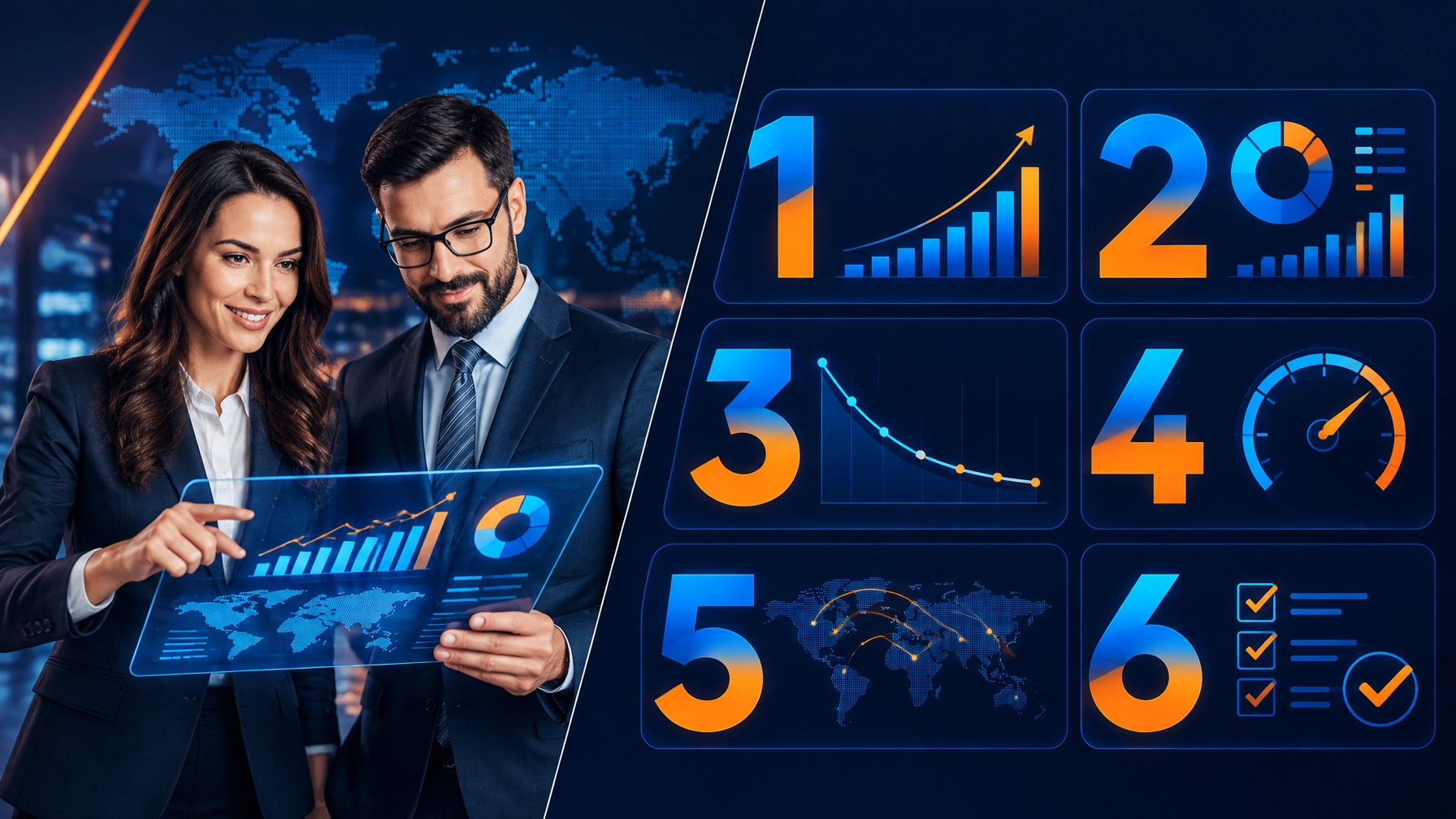
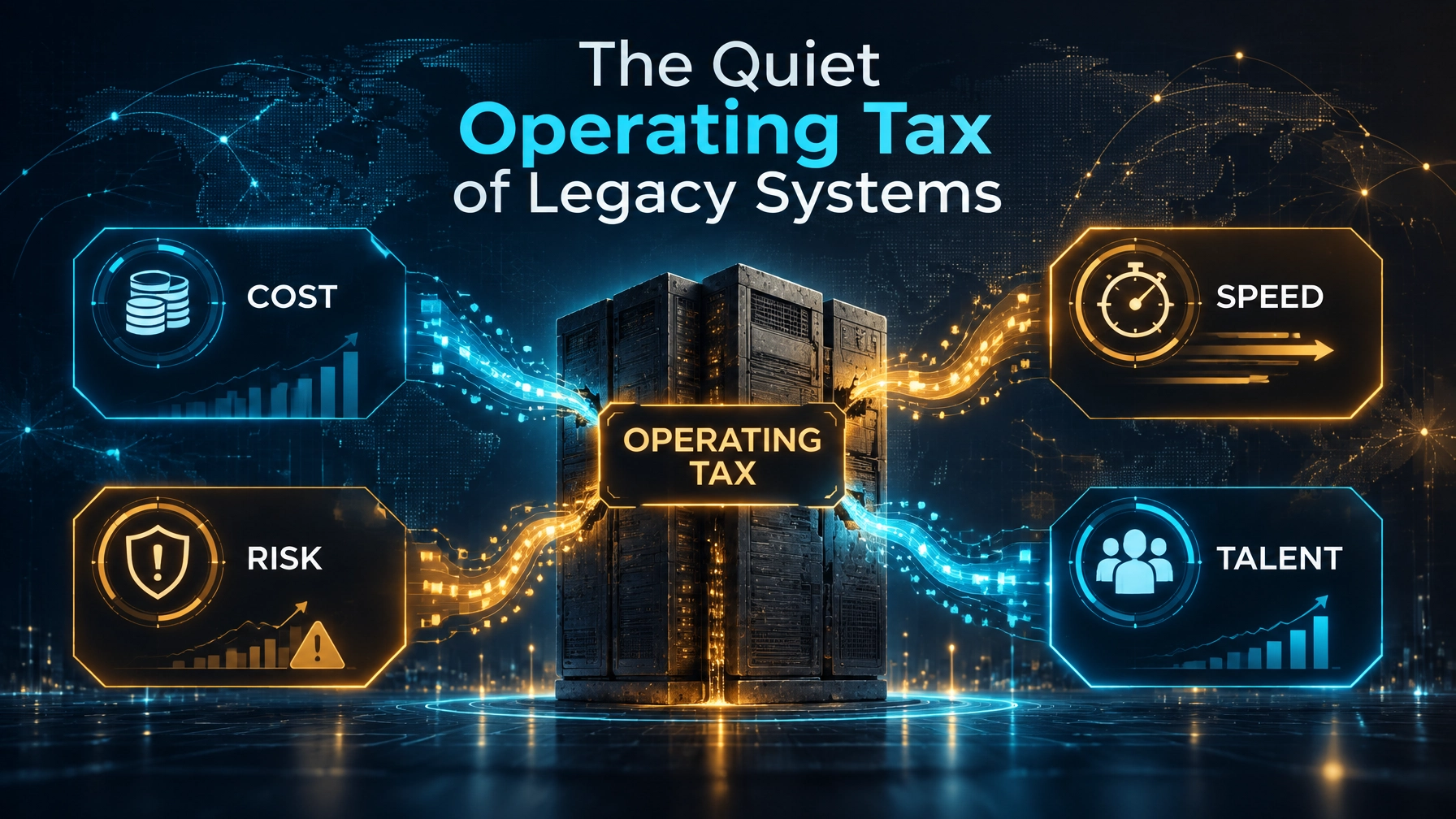
This is the operating tax of legacy technology and process debt. It compounds across four areas:
- Cost, through maintenance, workarounds, and duplicated effort
- Speed, through slow releases, manual approvals, and delayed decisions
- Risk, through security gaps, fragile integrations, and compliance exposure
- Talent, through dependence on scarce legacy expertise
The challenge is complex, but the response should not begin with a technology shopping list. It should begin with diagnosis.
The problem is larger than outdated software
Legacy technology is not limited to an old application or aging infrastructure. It often includes the processes, assumptions, and dependencies built around that technology over many years.
You may find it in:
- Manual workarounds that compensate for system limitations
- Spreadsheets that bridge gaps between disconnected platforms
- Batch processes that prevent timely decision-making
- Duplicate data entry across departments or regions
- Custom integrations that no one fully owns
- Business rules embedded in code rather than documented processes
- Approval chains designed around system constraints rather than business priorities
This is why modernization can be daunting. Replacing one application may not resolve the deeper issue. The system may be old, but the operating model around it may be older still.
Research from IBM on legacy application modernization highlights the common characteristics of legacy environments, including high maintenance costs, limited scalability, poor adaptability, and security vulnerabilities. These are not isolated IT concerns. They directly influence your organization’s ability to grow, compete, and respond to market change.
Four ways legacy systems create a compounding operating tax

1. Cost: You pay to preserve capacity instead of creating value
The most visible cost of a legacy environment is maintenance. The less visible cost is the opportunity you lose while maintaining it.
Your teams may spend significant time:
- Repairing brittle integrations
- Supporting obsolete infrastructure
- Reconciling inconsistent data
- Testing changes across tightly coupled systems
- Managing exceptions that should have been automated
- Maintaining duplicate tools and processes
The result is an imbalance between defensive and productive work. Your technology budget supports the continued operation of yesterday’s architecture while strategic initiatives compete for the remaining capacity.
This is not simply a question of reducing IT expense. It is a question of reallocating organizational energy toward growth, customer experience, resilience, and innovation.
2. Speed: Every dependency becomes a decision bottleneck
Legacy systems slow the enterprise long before they stop functioning.
A change that should take days may require weeks because teams must assess downstream dependencies. A new product launch may be delayed by integration constraints. A leadership team may wait for a report because data is distributed across systems that cannot communicate in real time.
The impact extends beyond delivery timelines. Slower systems produce slower learning.
When your organization cannot quickly test a new process, respond to customer behavior, or adapt reporting to changing conditions, competitors gain time and insight. In global markets, that delay can affect investment decisions, regulatory responses, supply chain performance, and client relationships.
3. Risk: Complexity creates exposure that is difficult to see
Legacy environments often contain known vulnerabilities, but the greater concern is the risk you cannot easily map.
Unclear ownership, incomplete documentation, unsupported software, and unmonitored integrations create gaps in accountability. These gaps make it harder to prove that controls are working and harder to respond when conditions change.
Risk can appear through:
- Outdated security controls
- Inconsistent access permissions
- Unencrypted or poorly governed data flows
- Manual compliance reporting
- Single points of failure
- Fragile interfaces between internal and external platforms
- Inadequate recovery and rollback procedures
Modernization also introduces risk if pursued without discipline. Data migration, process redesign, and system cutover can disrupt operations when the underlying estate has not been properly assessed.
That is why transparency and accountability must be part of the modernization plan from the beginning.
4. Talent: Institutional knowledge becomes a hidden dependency
Many enterprises rely on a small group of people who understand the exceptions, interfaces, and historical decisions embedded in legacy systems.
These professionals may be highly capable, but the structure is fragile. If one person leaves, retires, or moves into another role, critical knowledge can disappear with them.
This creates several problems:
- Longer onboarding for new employees
- Higher reliance on specialized contractors
- Slower incident resolution
- Greater concentration of operational risk
- Less capacity for modern engineering and analytical work
Your experienced legacy teams should not be treated as obstacles. They hold essential domain knowledge. A successful modernization program captures that knowledge, transfers it, and uses it to protect business continuity.
Modernization should start with an operating diagnosis

A modernization program should not begin with, “Which platform should we buy?” It should begin with, “Where is the operating tax highest, and what is it preventing us from doing?”
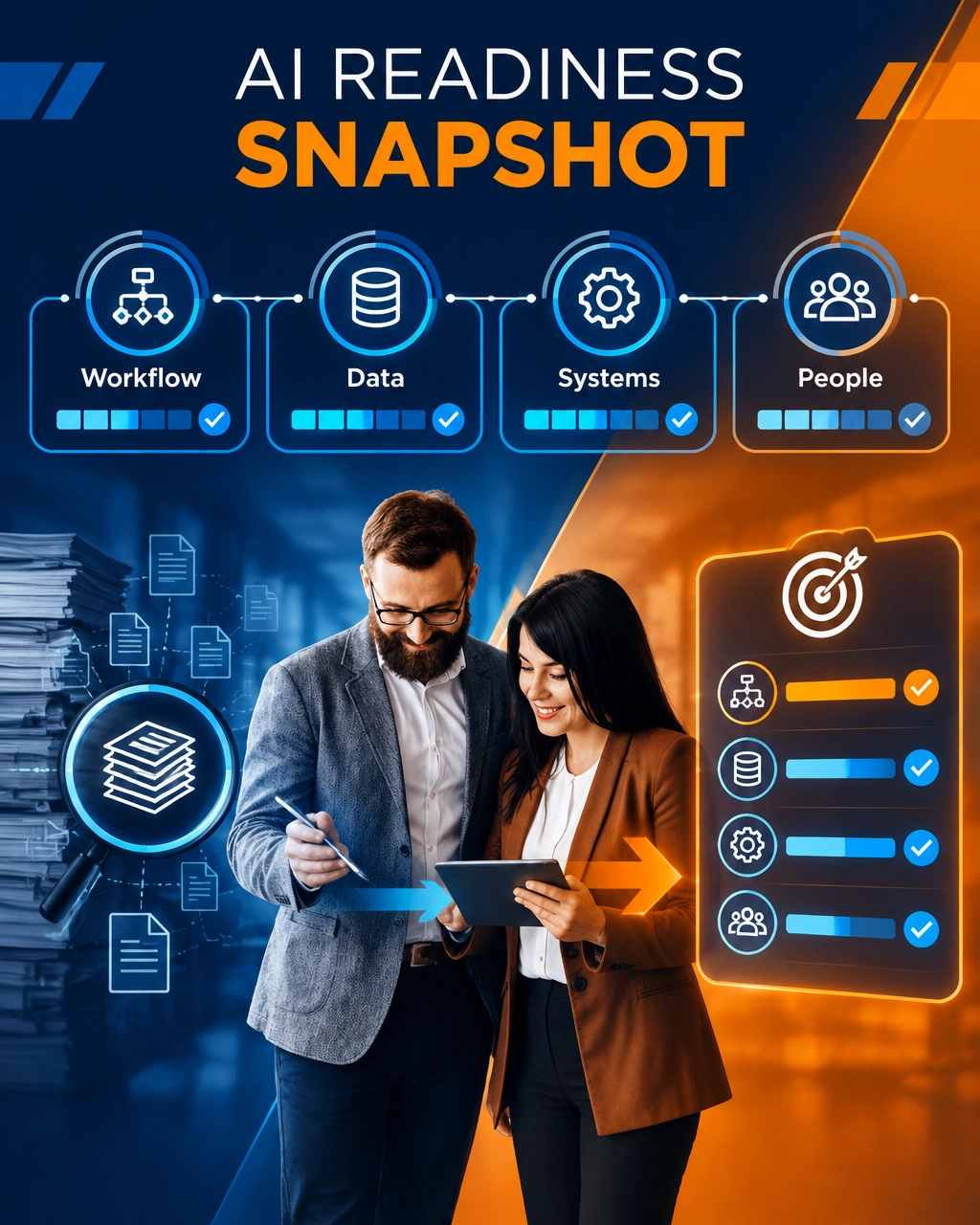
A rigorous diagnostic should examine five connected layers.
1. Technology estate
Create a clear inventory of applications, infrastructure, interfaces, vendors, owners, and business-critical dependencies.
Assess:
- System age and support status
- Performance and outage history
- Integration complexity
- Scalability constraints
- Data ownership and quality
- Security and compliance exposure
2. Business processes
Map the end-to-end workflows that depend on legacy systems. Look beyond individual applications to understand how work actually moves through the organization.
Measure:
- Cycle time
- Manual touchpoints
- Rework and error rates
- Approval delays
- Exception volumes
- Duplicate data entry
- Handoffs across teams and regions
This is where business process optimization becomes practical. The objective is not to automate a bad process faster. It is to determine which steps should be removed, redesigned, governed, or automated.
3. Data and AI readiness
AI initiatives depend on accessible, reliable, governed data. If information is trapped in disconnected systems or inconsistent formats, the technology may be modern while the intelligence remains weak.
Assess whether your environment can support:
- Trusted data access
- Real-time or near-real-time reporting
- Secure API connectivity
- Consistent definitions across functions
- Auditability and lineage
- Human review of high-impact decisions
This foundation determines whether agentic AI can safely orchestrate workflows or whether it will simply add another layer of complexity.
4. Infrastructure and architecture
Your modernization path may involve rehosting, replatforming, refactoring, re-architecting, or replacement. The correct choice depends on business criticality, risk appetite, regulatory requirements, and the value available from change.
This is where infrastructure technology consulting provides value. A tailored assessment can help you determine which workloads require immediate action, which can be stabilized, and which should be transformed incrementally.
5. People and governance
Technology cannot compensate for unclear accountability. Establish who owns each process, system, data domain, risk, and modernization decision.
Your governance model should define:
- Executive sponsorship
- Business and technology decision rights
- Legacy team participation
- Security and privacy review
- Change management responsibilities
- Success metrics tied to business outcomes
Where AI can create value without adding more complexity

AI can help reduce the operating tax, but it should not be applied indiscriminately.
A disciplined AI consulting approach identifies practical opportunities connected to measurable operational friction. Potential use cases may include:
- Summarizing operational alerts across multiple systems
- Routing service requests and exceptions
- Assisting with reconciliation and document review
- Supporting compliance evidence collection
- Generating workflow insights from process data
- Helping employees query fragmented operational information
- Orchestrating repetitive tasks across approved systems
Agentic AI may be appropriate when a workflow requires multiple steps, decisions, and system interactions. However, high-impact activities require clear boundaries, human oversight, access controls, audit trails, and escalation paths.
As Deloitte’s research on AI and legacy modernization explains, enterprises are exploring three broad approaches: rethinking technology processes, reengineering the digital core, and reimagining business capabilities with AI.
Your organization may need one approach in one area and another approach elsewhere. There is no universal modernization pattern.
Build a roadmap around value, risk, and readiness
The outcome of diagnosis should be a prioritized roadmap, not a collection of disconnected recommendations.
A robust roadmap should identify:
- Systems and processes with the highest operating tax
- Immediate risk-reduction actions
- Quick wins that improve speed or capacity
- AI opportunities with a clear business case
- Dependencies that must be resolved first
- Modernization options for each critical workload
- Governance requirements for safe execution
- Measures for cost, speed, risk, and talent impact
A phased approach often creates stronger results than a large-scale replacement program. You can stabilize critical operations, test new capabilities, capture feedback, and expand from evidence.
The key is to measure progress through business outcomes. Track reduced manual effort, shorter cycle times, improved data quality, fewer incidents, better control visibility, and greater capacity for strategic work.
Your next step is not a transformation announcement
It is a clear view of where legacy systems are taxing performance today.
The AI Opportunity Audit is designed to assess workflows, identify high-value AI opportunities, estimate operational impact, and create a practical action plan. For enterprises, that diagnostic can become the starting point for a broader modernization agenda.
You do not need to modernize everything at once. You need to know what to address first, what to protect, and where intelligent automation can create measurable value.
Diagnose the tax. Prioritize the opportunity. Modernize with accountability.
A trusted partner can help you move from hidden friction to transparent decisions, from process debt to operating leverage, and from legacy dependency to sustainable global performance.